

Extractives Operations
Acre supports extractive industries in their transition towards more sustainable and responsible operations. We help companies recruit experts and leaders in ESG strategy, environmental management, and community relations, ensuring compliance with regulatory frameworks and industry best practices.
Our natural resources recruitment team works closely with clients to identify candidates who can deliver meaningful impact on sustainability performance.
Minerals Processing
The shift towards a low-carbon economy requires responsible materials and minerals processing, and Acre helps organisations secure the right talent to lead this transformation. From circular economy specialists to supply chain transparency experts, we support companies in building teams that drive efficiency, innovation, and sustainability across their refining and processing operations.
Trading and Shipping
Sustainability is becoming a key focus in global commodities trading and shipping. Acre helps businesses recruit ESG-integrated risk managers, carbon market specialists, and responsible sourcing experts to ensure compliance with evolving regulations, enhance supply chain resilience, and embed sustainability into their trading strategies.
Trade Associations
Trade associations and standards bodies play a critical role in shaping and delivering industry practice around sustainability. Acre works with these organisations to source policy advisors, regulatory experts, and sustainability leaders who can drive sector-wide initiatives, influence policymaking, and support members in achieving their social and environmental commitments.
Intergovernmental Organisations
As sustainability and responsible business practices become central to global trade, Acre helps organisations align with OECD guidelines by recruiting experts in due diligence, human rights, health and safety, and corporate governance.
We support businesses, policymakers, and institutions in building teams that uphold international sustainability standards and drive ethical decision-making. Our reputation as a trusted natural resources recruiter gives clients confidence that they are partnering with a team who understands the sector’s evolving demands.
FPIC & Indigenous Rights
Acre supports organisations in upholding Free, Prior, and Informed Consent (FPIC) and Indigenous rights by sourcing experts in stakeholder engagement, human rights, and responsible resource development. We help businesses align with International Council on Mining & Metals (ICMM) standards, ensuring that Indigenous communities are meaningfully consulted and respected in decision-making processes. By recruiting specialists in ethical land use, social impact, and governance, Acre enables companies to build trust, foster equitable partnerships, and uphold global best practices in sustainability and human rights.
World-Class Talent for the Natural Resources Sector
The natural resources sector is undergoing a fundamental transformation as companies face increasing pressure to operate more safely, sustainably, and transparently. From extractives and minerals processing to trading, shipping, and global governance, businesses must balance economic demands with environmental and social responsibility.
Acre partners with organisations across the sector to recruit purpose-driven professionals who can lead this transition - embedding ESG and EHS strategies, strengthening community relations, and ensuring compliance with international frameworks such as the OECD Guidelines and ICMM Principles.
With expertise in sustainable resource management, indigenous rights, responsible sourcing, climate resilience and health and safety recruitment, we help businesses and industry bodies build teams that not only mitigate risk but also create long-term value for society and the planet.
As a leader in natural resources recruitment, Acre ensures that organisations are equipped with the right talent to drive sustainable transformation across the value chain.
Connect with our Team
Showcase
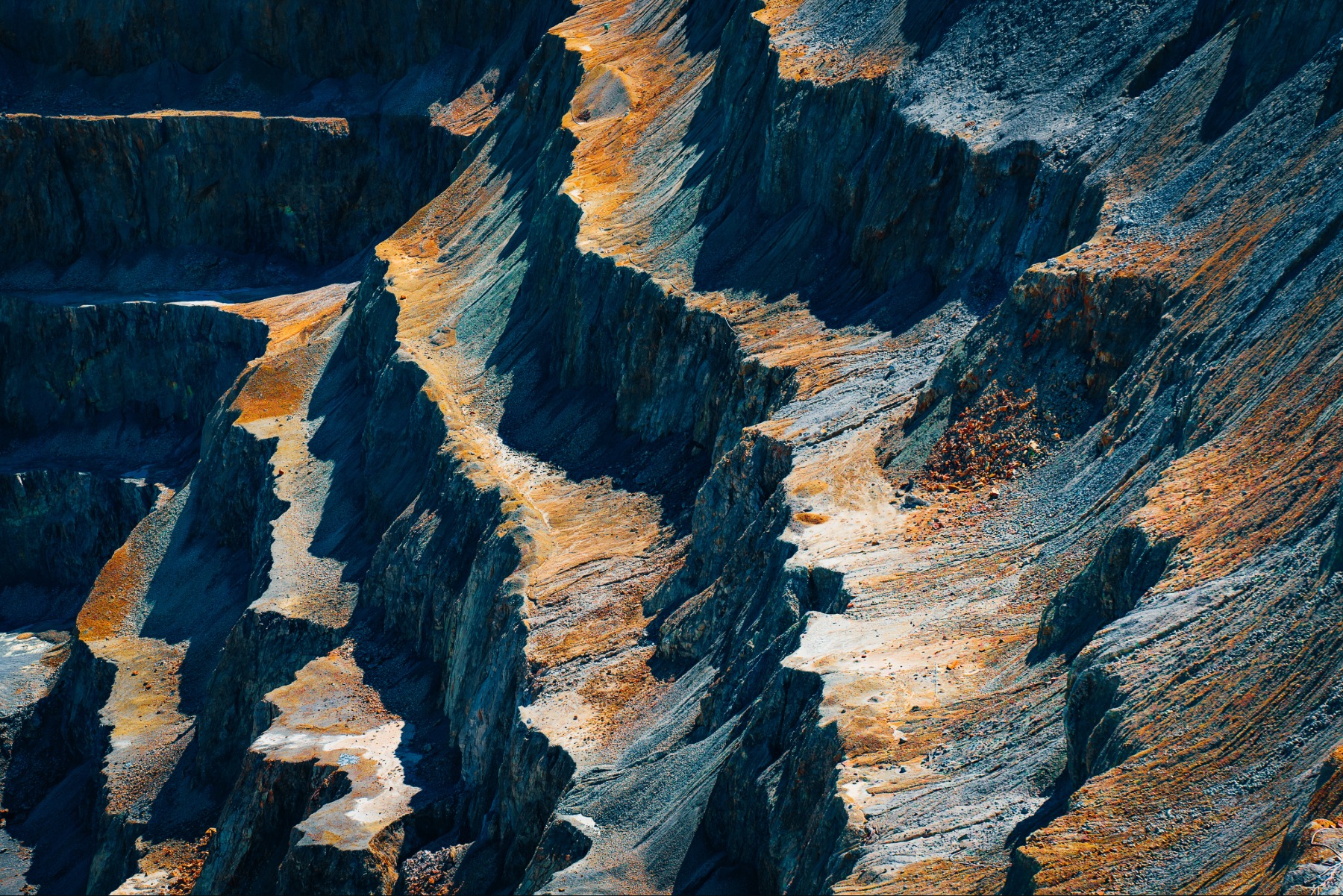
 Featured
 Natural Resources
 Thought Leadership
Our Most Valuable Resource Isn't in the Ground
At 3:30pm on November 5, 2015, a tailings dam near Mariana, Minas Gerais, Brazil began to leak. The Fundão Dam, operated by Samarco and built to store waste from the Germano iron ore mine, sat in the hills above the village of Bento Rodrigues. By 4:20pm, the leak had become a catastrophic rupture.
>> Read the full piece here
An estimated 43.7 million cubic metres of mine tailings surged into the Doce River. The toxic sludge engulfed Bento Rodrigues and Paracatu de Baixo, killing 19 people, displacing thousands, and contaminating hundreds of kilometres of waterways before reaching the Atlantic Ocean. It remains Brazil’s worst environmental disaster. The social, environmental, and economic impacts are still being felt and will likely persist for generations.
Four years later, the Brumadinho tailings dam disaster, also in Brazil, caused by the sudden collapse of an iron ore waste dam, killed 270 people. At precisely the moment when minerals were becoming central to the global energy transition, mining found itself in the spotlight for all the wrong reasons.
The industry response was significant.
In 2020, the Global Industry Standard on Tailings Management (GISTM) was launched by the International Council on Mining and Metals, the United Nations Environment Programme, and the Principles for Responsible Investment. It introduced a globally recognised framework built on zero harm, board-level accountability, independent oversight, transparent disclosure, and planning for worst-case failure scenarios.
Alongside this, the Mining Association of Canada’s Towards Sustainable Mining (TSM) standard has also become a widely adopted industry framework over the last 20 years, focusing on continuous performance improvement across environmental and social responsibility, including tailings management, community engagement, and site-level accountability.
Across the sector, leadership teams have started to rethink and reshape their relationship with the land, communities, investors, and employees.
But standards and frameworks alone do not create responsible mining. People do.
>> Read the full piece here
 FeaturedNatural ResourcesThought Leadership
Our Most Valuable Resource Isn't in the Ground
At 3:30pm on November 5, 2015, a tailings dam near Mariana, Minas Gerais, Brazil began to leak. The Fundão Dam, operated by Samarco and built to store waste from the Germano iron ore mine, sat in the hills above the village of Bento Rodrigues. By 4:20pm, the leak had become a catastrophic rupture.
>> Read the full piece here
An estimated 43.7 million cubic metres of mine tailings surged into the Doce River. The toxic sludge engulfed Bento Rodrigues and Paracatu de Baixo, killing 19 people, displacing thousands, and contaminating hundreds of kilometres of waterways before reaching the Atlantic Ocean. It remains Brazil’s worst environmental disaster. The social, environmental, and economic impacts are still being felt and will likely persist for generations.
Four years later, the Brumadinho tailings dam disaster, also in Brazil, caused by the sudden collapse of an iron ore waste dam, killed 270 people. At precisely the moment when minerals were becoming central to the global energy transition, mining found itself in the spotlight for all the wrong reasons.
The industry response was significant.
In 2020, the Global Industry Standard on Tailings Management (GISTM) was launched by the International Council on Mining and Metals, the United Nations Environment Programme, and the Principles for Responsible Investment. It introduced a globally recognised framework built on zero harm, board-level accountability, independent oversight, transparent disclosure, and planning for worst-case failure scenarios.
Alongside this, the Mining Association of Canada’s Towards Sustainable Mining (TSM) standard has also become a widely adopted industry framework over the last 20 years, focusing on continuous performance improvement across environmental and social responsibility, including tailings management, community engagement, and site-level accountability.
Across the sector, leadership teams have started to rethink and reshape their relationship with the land, communities, investors, and employees.
But standards and frameworks alone do not create responsible mining. People do.
>> Read the full piece here
FeaturedNatural ResourcesThought LeadershipOur Most Valuable Resource Isn't in the Ground
At 3:30pm on November 5, 2015, a tailings dam near Mariana, Minas Gerais, Brazil began to leak. The Fundão Dam, operated by Samarco and built to store waste from the Germano iron ore mine, sat in the hills above the village of Bento Rodrigues. By 4:20pm, the leak had become a catastrophic rupture.
>> Read the full piece here
An estimated 43.7 million cubic metres of mine tailings surged into the Doce River. The toxic sludge engulfed Bento Rodrigues and Paracatu de Baixo, killing 19 people, displacing thousands, and contaminating hundreds of kilometres of waterways before reaching the Atlantic Ocean. It remains Brazil’s worst environmental disaster. The social, environmental, and economic impacts are still being felt and will likely persist for generations.
Four years later, the Brumadinho tailings dam disaster, also in Brazil, caused by the sudden collapse of an iron ore waste dam, killed 270 people. At precisely the moment when minerals were becoming central to the global energy transition, mining found itself in the spotlight for all the wrong reasons.
The industry response was significant.
In 2020, the Global Industry Standard on Tailings Management (GISTM) was launched by the International Council on Mining and Metals, the United Nations Environment Programme, and the Principles for Responsible Investment. It introduced a globally recognised framework built on zero harm, board-level accountability, independent oversight, transparent disclosure, and planning for worst-case failure scenarios.
Alongside this, the Mining Association of Canada’s Towards Sustainable Mining (TSM) standard has also become a widely adopted industry framework over the last 20 years, focusing on continuous performance improvement across environmental and social responsibility, including tailings management, community engagement, and site-level accountability.
Across the sector, leadership teams have started to rethink and reshape their relationship with the land, communities, investors, and employees.
But standards and frameworks alone do not create responsible mining. People do.
>> Read the full piece here
FeaturedNatural ResourcesThought LeadershipOur Most Valuable Resource Isn't in the Ground
At 3:30pm on November 5, 2015, a tailings dam near Mariana, Minas Gerais, Brazil began to leak. The Fundão Dam, operated by Samarco and built to store waste from the Germano iron ore mine, sat in the hills above the village of Bento Rodrigues. By 4:20pm, the leak had become a catastrophic rupture.
>> Read the full piece here
An estimated 43.7 million cubic metres of mine tailings surged into the Doce River. The toxic sludge engulfed Bento Rodrigues and Paracatu de Baixo, killing 19 people, displacing thousands, and contaminating hundreds of kilometres of waterways before reaching the Atlantic Ocean. It remains Brazil’s worst environmental disaster. The social, environmental, and economic impacts are still being felt and will likely persist for generations.
Four years later, the Brumadinho tailings dam disaster, also in Brazil, caused by the sudden collapse of an iron ore waste dam, killed 270 people. At precisely the moment when minerals were becoming central to the global energy transition, mining found itself in the spotlight for all the wrong reasons.
The industry response was significant.
In 2020, the Global Industry Standard on Tailings Management (GISTM) was launched by the International Council on Mining and Metals, the United Nations Environment Programme, and the Principles for Responsible Investment. It introduced a globally recognised framework built on zero harm, board-level accountability, independent oversight, transparent disclosure, and planning for worst-case failure scenarios.
Alongside this, the Mining Association of Canada’s Towards Sustainable Mining (TSM) standard has also become a widely adopted industry framework over the last 20 years, focusing on continuous performance improvement across environmental and social responsibility, including tailings management, community engagement, and site-level accountability.
Across the sector, leadership teams have started to rethink and reshape their relationship with the land, communities, investors, and employees.
But standards and frameworks alone do not create responsible mining. People do.
>> Read the full piece here
FeaturedNatural ResourcesThought LeadershipOur Most Valuable Resource Isn't in the Ground
At 3:30pm on November 5, 2015, a tailings dam near Mariana, Minas Gerais, Brazil began to leak. The Fundão Dam, operated by Samarco and built to store waste from the Germano iron ore mine, sat in the hills above the village of Bento Rodrigues. By 4:20pm, the leak had become a catastrophic rupture.
>> Read the full piece here
An estimated 43.7 million cubic metres of mine tailings surged into the Doce River. The toxic sludge engulfed Bento Rodrigues and Paracatu de Baixo, killing 19 people, displacing thousands, and contaminating hundreds of kilometres of waterways before reaching the Atlantic Ocean. It remains Brazil’s worst environmental disaster. The social, environmental, and economic impacts are still being felt and will likely persist for generations.
Four years later, the Brumadinho tailings dam disaster, also in Brazil, caused by the sudden collapse of an iron ore waste dam, killed 270 people. At precisely the moment when minerals were becoming central to the global energy transition, mining found itself in the spotlight for all the wrong reasons.
The industry response was significant.
In 2020, the Global Industry Standard on Tailings Management (GISTM) was launched by the International Council on Mining and Metals, the United Nations Environment Programme, and the Principles for Responsible Investment. It introduced a globally recognised framework built on zero harm, board-level accountability, independent oversight, transparent disclosure, and planning for worst-case failure scenarios.
Alongside this, the Mining Association of Canada’s Towards Sustainable Mining (TSM) standard has also become a widely adopted industry framework over the last 20 years, focusing on continuous performance improvement across environmental and social responsibility, including tailings management, community engagement, and site-level accountability.
Across the sector, leadership teams have started to rethink and reshape their relationship with the land, communities, investors, and employees.
But standards and frameworks alone do not create responsible mining. People do.
>> Read the full piece here
FeaturedNatural ResourcesThought LeadershipOur Most Valuable Resource Isn't in the Ground
At 3:30pm on November 5, 2015, a tailings dam near Mariana, Minas Gerais, Brazil began to leak. The Fundão Dam, operated by Samarco and built to store waste from the Germano iron ore mine, sat in the hills above the village of Bento Rodrigues. By 4:20pm, the leak had become a catastrophic rupture.
>> Read the full piece here
An estimated 43.7 million cubic metres of mine tailings surged into the Doce River. The toxic sludge engulfed Bento Rodrigues and Paracatu de Baixo, killing 19 people, displacing thousands, and contaminating hundreds of kilometres of waterways before reaching the Atlantic Ocean. It remains Brazil’s worst environmental disaster. The social, environmental, and economic impacts are still being felt and will likely persist for generations.
Four years later, the Brumadinho tailings dam disaster, also in Brazil, caused by the sudden collapse of an iron ore waste dam, killed 270 people. At precisely the moment when minerals were becoming central to the global energy transition, mining found itself in the spotlight for all the wrong reasons.
The industry response was significant.
In 2020, the Global Industry Standard on Tailings Management (GISTM) was launched by the International Council on Mining and Metals, the United Nations Environment Programme, and the Principles for Responsible Investment. It introduced a globally recognised framework built on zero harm, board-level accountability, independent oversight, transparent disclosure, and planning for worst-case failure scenarios.
Alongside this, the Mining Association of Canada’s Towards Sustainable Mining (TSM) standard has also become a widely adopted industry framework over the last 20 years, focusing on continuous performance improvement across environmental and social responsibility, including tailings management, community engagement, and site-level accountability.
Across the sector, leadership teams have started to rethink and reshape their relationship with the land, communities, investors, and employees.
But standards and frameworks alone do not create responsible mining. People do.
>> Read the full piece here
FeaturedNatural ResourcesThought LeadershipOur Most Valuable Resource Isn't in the Ground
At 3:30pm on November 5, 2015, a tailings dam near Mariana, Minas Gerais, Brazil began to leak. The Fundão Dam, operated by Samarco and built to store waste from the Germano iron ore mine, sat in the hills above the village of Bento Rodrigues. By 4:20pm, the leak had become a catastrophic rupture.
>> Read the full piece here
An estimated 43.7 million cubic metres of mine tailings surged into the Doce River. The toxic sludge engulfed Bento Rodrigues and Paracatu de Baixo, killing 19 people, displacing thousands, and contaminating hundreds of kilometres of waterways before reaching the Atlantic Ocean. It remains Brazil’s worst environmental disaster. The social, environmental, and economic impacts are still being felt and will likely persist for generations.
Four years later, the Brumadinho tailings dam disaster, also in Brazil, caused by the sudden collapse of an iron ore waste dam, killed 270 people. At precisely the moment when minerals were becoming central to the global energy transition, mining found itself in the spotlight for all the wrong reasons.
The industry response was significant.
In 2020, the Global Industry Standard on Tailings Management (GISTM) was launched by the International Council on Mining and Metals, the United Nations Environment Programme, and the Principles for Responsible Investment. It introduced a globally recognised framework built on zero harm, board-level accountability, independent oversight, transparent disclosure, and planning for worst-case failure scenarios.
Alongside this, the Mining Association of Canada’s Towards Sustainable Mining (TSM) standard has also become a widely adopted industry framework over the last 20 years, focusing on continuous performance improvement across environmental and social responsibility, including tailings management, community engagement, and site-level accountability.
Across the sector, leadership teams have started to rethink and reshape their relationship with the land, communities, investors, and employees.
But standards and frameworks alone do not create responsible mining. People do.
>> Read the full piece here
FeaturedNatural ResourcesThought LeadershipOur Most Valuable Resource Isn't in the Ground
At 3:30pm on November 5, 2015, a tailings dam near Mariana, Minas Gerais, Brazil began to leak. The Fundão Dam, operated by Samarco and built to store waste from the Germano iron ore mine, sat in the hills above the village of Bento Rodrigues. By 4:20pm, the leak had become a catastrophic rupture.
>> Read the full piece here
An estimated 43.7 million cubic metres of mine tailings surged into the Doce River. The toxic sludge engulfed Bento Rodrigues and Paracatu de Baixo, killing 19 people, displacing thousands, and contaminating hundreds of kilometres of waterways before reaching the Atlantic Ocean. It remains Brazil’s worst environmental disaster. The social, environmental, and economic impacts are still being felt and will likely persist for generations.
Four years later, the Brumadinho tailings dam disaster, also in Brazil, caused by the sudden collapse of an iron ore waste dam, killed 270 people. At precisely the moment when minerals were becoming central to the global energy transition, mining found itself in the spotlight for all the wrong reasons.
The industry response was significant.
In 2020, the Global Industry Standard on Tailings Management (GISTM) was launched by the International Council on Mining and Metals, the United Nations Environment Programme, and the Principles for Responsible Investment. It introduced a globally recognised framework built on zero harm, board-level accountability, independent oversight, transparent disclosure, and planning for worst-case failure scenarios.
Alongside this, the Mining Association of Canada’s Towards Sustainable Mining (TSM) standard has also become a widely adopted industry framework over the last 20 years, focusing on continuous performance improvement across environmental and social responsibility, including tailings management, community engagement, and site-level accountability.
Across the sector, leadership teams have started to rethink and reshape their relationship with the land, communities, investors, and employees.
But standards and frameworks alone do not create responsible mining. People do.
>> Read the full piece here
FeaturedNatural ResourcesThought LeadershipOur Most Valuable Resource Isn't in the Ground
At 3:30pm on November 5, 2015, a tailings dam near Mariana, Minas Gerais, Brazil began to leak. The Fundão Dam, operated by Samarco and built to store waste from the Germano iron ore mine, sat in the hills above the village of Bento Rodrigues. By 4:20pm, the leak had become a catastrophic rupture.
>> Read the full piece here
An estimated 43.7 million cubic metres of mine tailings surged into the Doce River. The toxic sludge engulfed Bento Rodrigues and Paracatu de Baixo, killing 19 people, displacing thousands, and contaminating hundreds of kilometres of waterways before reaching the Atlantic Ocean. It remains Brazil’s worst environmental disaster. The social, environmental, and economic impacts are still being felt and will likely persist for generations.
Four years later, the Brumadinho tailings dam disaster, also in Brazil, caused by the sudden collapse of an iron ore waste dam, killed 270 people. At precisely the moment when minerals were becoming central to the global energy transition, mining found itself in the spotlight for all the wrong reasons.
The industry response was significant.
In 2020, the Global Industry Standard on Tailings Management (GISTM) was launched by the International Council on Mining and Metals, the United Nations Environment Programme, and the Principles for Responsible Investment. It introduced a globally recognised framework built on zero harm, board-level accountability, independent oversight, transparent disclosure, and planning for worst-case failure scenarios.
Alongside this, the Mining Association of Canada’s Towards Sustainable Mining (TSM) standard has also become a widely adopted industry framework over the last 20 years, focusing on continuous performance improvement across environmental and social responsibility, including tailings management, community engagement, and site-level accountability.
Across the sector, leadership teams have started to rethink and reshape their relationship with the land, communities, investors, and employees.
But standards and frameworks alone do not create responsible mining. People do.
>> Read the full piece here
FeaturedNatural ResourcesThought LeadershipOur Most Valuable Resource Isn't in the Ground
At 3:30pm on November 5, 2015, a tailings dam near Mariana, Minas Gerais, Brazil began to leak. The Fundão Dam, operated by Samarco and built to store waste from the Germano iron ore mine, sat in the hills above the village of Bento Rodrigues. By 4:20pm, the leak had become a catastrophic rupture.
>> Read the full piece here
An estimated 43.7 million cubic metres of mine tailings surged into the Doce River. The toxic sludge engulfed Bento Rodrigues and Paracatu de Baixo, killing 19 people, displacing thousands, and contaminating hundreds of kilometres of waterways before reaching the Atlantic Ocean. It remains Brazil’s worst environmental disaster. The social, environmental, and economic impacts are still being felt and will likely persist for generations.
Four years later, the Brumadinho tailings dam disaster, also in Brazil, caused by the sudden collapse of an iron ore waste dam, killed 270 people. At precisely the moment when minerals were becoming central to the global energy transition, mining found itself in the spotlight for all the wrong reasons.
The industry response was significant.
In 2020, the Global Industry Standard on Tailings Management (GISTM) was launched by the International Council on Mining and Metals, the United Nations Environment Programme, and the Principles for Responsible Investment. It introduced a globally recognised framework built on zero harm, board-level accountability, independent oversight, transparent disclosure, and planning for worst-case failure scenarios.
Alongside this, the Mining Association of Canada’s Towards Sustainable Mining (TSM) standard has also become a widely adopted industry framework over the last 20 years, focusing on continuous performance improvement across environmental and social responsibility, including tailings management, community engagement, and site-level accountability.
Across the sector, leadership teams have started to rethink and reshape their relationship with the land, communities, investors, and employees.
But standards and frameworks alone do not create responsible mining. People do.
>> Read the full piece here
FeaturedNatural ResourcesThought LeadershipOur Most Valuable Resource Isn't in the Ground
At 3:30pm on November 5, 2015, a tailings dam near Mariana, Minas Gerais, Brazil began to leak. The Fundão Dam, operated by Samarco and built to store waste from the Germano iron ore mine, sat in the hills above the village of Bento Rodrigues. By 4:20pm, the leak had become a catastrophic rupture.
>> Read the full piece here
An estimated 43.7 million cubic metres of mine tailings surged into the Doce River. The toxic sludge engulfed Bento Rodrigues and Paracatu de Baixo, killing 19 people, displacing thousands, and contaminating hundreds of kilometres of waterways before reaching the Atlantic Ocean. It remains Brazil’s worst environmental disaster. The social, environmental, and economic impacts are still being felt and will likely persist for generations.
Four years later, the Brumadinho tailings dam disaster, also in Brazil, caused by the sudden collapse of an iron ore waste dam, killed 270 people. At precisely the moment when minerals were becoming central to the global energy transition, mining found itself in the spotlight for all the wrong reasons.
The industry response was significant.
In 2020, the Global Industry Standard on Tailings Management (GISTM) was launched by the International Council on Mining and Metals, the United Nations Environment Programme, and the Principles for Responsible Investment. It introduced a globally recognised framework built on zero harm, board-level accountability, independent oversight, transparent disclosure, and planning for worst-case failure scenarios.
Alongside this, the Mining Association of Canada’s Towards Sustainable Mining (TSM) standard has also become a widely adopted industry framework over the last 20 years, focusing on continuous performance improvement across environmental and social responsibility, including tailings management, community engagement, and site-level accountability.
Across the sector, leadership teams have started to rethink and reshape their relationship with the land, communities, investors, and employees.
But standards and frameworks alone do not create responsible mining. People do.
>> Read the full piece here
FeaturedNatural ResourcesThought LeadershipOur Most Valuable Resource Isn't in the Ground
At 3:30pm on November 5, 2015, a tailings dam near Mariana, Minas Gerais, Brazil began to leak. The Fundão Dam, operated by Samarco and built to store waste from the Germano iron ore mine, sat in the hills above the village of Bento Rodrigues. By 4:20pm, the leak had become a catastrophic rupture.
>> Read the full piece here
An estimated 43.7 million cubic metres of mine tailings surged into the Doce River. The toxic sludge engulfed Bento Rodrigues and Paracatu de Baixo, killing 19 people, displacing thousands, and contaminating hundreds of kilometres of waterways before reaching the Atlantic Ocean. It remains Brazil’s worst environmental disaster. The social, environmental, and economic impacts are still being felt and will likely persist for generations.
Four years later, the Brumadinho tailings dam disaster, also in Brazil, caused by the sudden collapse of an iron ore waste dam, killed 270 people. At precisely the moment when minerals were becoming central to the global energy transition, mining found itself in the spotlight for all the wrong reasons.
The industry response was significant.
In 2020, the Global Industry Standard on Tailings Management (GISTM) was launched by the International Council on Mining and Metals, the United Nations Environment Programme, and the Principles for Responsible Investment. It introduced a globally recognised framework built on zero harm, board-level accountability, independent oversight, transparent disclosure, and planning for worst-case failure scenarios.
Alongside this, the Mining Association of Canada’s Towards Sustainable Mining (TSM) standard has also become a widely adopted industry framework over the last 20 years, focusing on continuous performance improvement across environmental and social responsibility, including tailings management, community engagement, and site-level accountability.
Across the sector, leadership teams have started to rethink and reshape their relationship with the land, communities, investors, and employees.
But standards and frameworks alone do not create responsible mining. People do.
>> Read the full piece here
FeaturedNatural ResourcesThought LeadershipOur Most Valuable Resource Isn't in the Ground
At 3:30pm on November 5, 2015, a tailings dam near Mariana, Minas Gerais, Brazil began to leak. The Fundão Dam, operated by Samarco and built to store waste from the Germano iron ore mine, sat in the hills above the village of Bento Rodrigues. By 4:20pm, the leak had become a catastrophic rupture.
>> Read the full piece here
An estimated 43.7 million cubic metres of mine tailings surged into the Doce River. The toxic sludge engulfed Bento Rodrigues and Paracatu de Baixo, killing 19 people, displacing thousands, and contaminating hundreds of kilometres of waterways before reaching the Atlantic Ocean. It remains Brazil’s worst environmental disaster. The social, environmental, and economic impacts are still being felt and will likely persist for generations.
Four years later, the Brumadinho tailings dam disaster, also in Brazil, caused by the sudden collapse of an iron ore waste dam, killed 270 people. At precisely the moment when minerals were becoming central to the global energy transition, mining found itself in the spotlight for all the wrong reasons.
The industry response was significant.
In 2020, the Global Industry Standard on Tailings Management (GISTM) was launched by the International Council on Mining and Metals, the United Nations Environment Programme, and the Principles for Responsible Investment. It introduced a globally recognised framework built on zero harm, board-level accountability, independent oversight, transparent disclosure, and planning for worst-case failure scenarios.
Alongside this, the Mining Association of Canada’s Towards Sustainable Mining (TSM) standard has also become a widely adopted industry framework over the last 20 years, focusing on continuous performance improvement across environmental and social responsibility, including tailings management, community engagement, and site-level accountability.
Across the sector, leadership teams have started to rethink and reshape their relationship with the land, communities, investors, and employees.
But standards and frameworks alone do not create responsible mining. People do.
>> Read the full piece here
FeaturedNatural ResourcesThought LeadershipOur Most Valuable Resource Isn't in the Ground
At 3:30pm on November 5, 2015, a tailings dam near Mariana, Minas Gerais, Brazil began to leak. The Fundão Dam, operated by Samarco and built to store waste from the Germano iron ore mine, sat in the hills above the village of Bento Rodrigues. By 4:20pm, the leak had become a catastrophic rupture.
>> Read the full piece here
An estimated 43.7 million cubic metres of mine tailings surged into the Doce River. The toxic sludge engulfed Bento Rodrigues and Paracatu de Baixo, killing 19 people, displacing thousands, and contaminating hundreds of kilometres of waterways before reaching the Atlantic Ocean. It remains Brazil’s worst environmental disaster. The social, environmental, and economic impacts are still being felt and will likely persist for generations.
Four years later, the Brumadinho tailings dam disaster, also in Brazil, caused by the sudden collapse of an iron ore waste dam, killed 270 people. At precisely the moment when minerals were becoming central to the global energy transition, mining found itself in the spotlight for all the wrong reasons.
The industry response was significant.
In 2020, the Global Industry Standard on Tailings Management (GISTM) was launched by the International Council on Mining and Metals, the United Nations Environment Programme, and the Principles for Responsible Investment. It introduced a globally recognised framework built on zero harm, board-level accountability, independent oversight, transparent disclosure, and planning for worst-case failure scenarios.
Alongside this, the Mining Association of Canada’s Towards Sustainable Mining (TSM) standard has also become a widely adopted industry framework over the last 20 years, focusing on continuous performance improvement across environmental and social responsibility, including tailings management, community engagement, and site-level accountability.
Across the sector, leadership teams have started to rethink and reshape their relationship with the land, communities, investors, and employees.
But standards and frameworks alone do not create responsible mining. People do.
>> Read the full piece here
FeaturedNatural ResourcesThought LeadershipOur Most Valuable Resource Isn't in the Ground
At 3:30pm on November 5, 2015, a tailings dam near Mariana, Minas Gerais, Brazil began to leak. The Fundão Dam, operated by Samarco and built to store waste from the Germano iron ore mine, sat in the hills above the village of Bento Rodrigues. By 4:20pm, the leak had become a catastrophic rupture.
>> Read the full piece here
An estimated 43.7 million cubic metres of mine tailings surged into the Doce River. The toxic sludge engulfed Bento Rodrigues and Paracatu de Baixo, killing 19 people, displacing thousands, and contaminating hundreds of kilometres of waterways before reaching the Atlantic Ocean. It remains Brazil’s worst environmental disaster. The social, environmental, and economic impacts are still being felt and will likely persist for generations.
Four years later, the Brumadinho tailings dam disaster, also in Brazil, caused by the sudden collapse of an iron ore waste dam, killed 270 people. At precisely the moment when minerals were becoming central to the global energy transition, mining found itself in the spotlight for all the wrong reasons.
The industry response was significant.
In 2020, the Global Industry Standard on Tailings Management (GISTM) was launched by the International Council on Mining and Metals, the United Nations Environment Programme, and the Principles for Responsible Investment. It introduced a globally recognised framework built on zero harm, board-level accountability, independent oversight, transparent disclosure, and planning for worst-case failure scenarios.
Alongside this, the Mining Association of Canada’s Towards Sustainable Mining (TSM) standard has also become a widely adopted industry framework over the last 20 years, focusing on continuous performance improvement across environmental and social responsibility, including tailings management, community engagement, and site-level accountability.
Across the sector, leadership teams have started to rethink and reshape their relationship with the land, communities, investors, and employees.
But standards and frameworks alone do not create responsible mining. People do.
>> Read the full piece here
FeaturedNatural ResourcesThought LeadershipOur Most Valuable Resource Isn't in the Ground
At 3:30pm on November 5, 2015, a tailings dam near Mariana, Minas Gerais, Brazil began to leak. The Fundão Dam, operated by Samarco and built to store waste from the Germano iron ore mine, sat in the hills above the village of Bento Rodrigues. By 4:20pm, the leak had become a catastrophic rupture.
>> Read the full piece here
An estimated 43.7 million cubic metres of mine tailings surged into the Doce River. The toxic sludge engulfed Bento Rodrigues and Paracatu de Baixo, killing 19 people, displacing thousands, and contaminating hundreds of kilometres of waterways before reaching the Atlantic Ocean. It remains Brazil’s worst environmental disaster. The social, environmental, and economic impacts are still being felt and will likely persist for generations.
Four years later, the Brumadinho tailings dam disaster, also in Brazil, caused by the sudden collapse of an iron ore waste dam, killed 270 people. At precisely the moment when minerals were becoming central to the global energy transition, mining found itself in the spotlight for all the wrong reasons.
The industry response was significant.
In 2020, the Global Industry Standard on Tailings Management (GISTM) was launched by the International Council on Mining and Metals, the United Nations Environment Programme, and the Principles for Responsible Investment. It introduced a globally recognised framework built on zero harm, board-level accountability, independent oversight, transparent disclosure, and planning for worst-case failure scenarios.
Alongside this, the Mining Association of Canada’s Towards Sustainable Mining (TSM) standard has also become a widely adopted industry framework over the last 20 years, focusing on continuous performance improvement across environmental and social responsibility, including tailings management, community engagement, and site-level accountability.
Across the sector, leadership teams have started to rethink and reshape their relationship with the land, communities, investors, and employees.
But standards and frameworks alone do not create responsible mining. People do.
>> Read the full piece here
FeaturedNatural ResourcesThought LeadershipOur Most Valuable Resource Isn't in the Ground
At 3:30pm on November 5, 2015, a tailings dam near Mariana, Minas Gerais, Brazil began to leak. The Fundão Dam, operated by Samarco and built to store waste from the Germano iron ore mine, sat in the hills above the village of Bento Rodrigues. By 4:20pm, the leak had become a catastrophic rupture.
>> Read the full piece here
An estimated 43.7 million cubic metres of mine tailings surged into the Doce River. The toxic sludge engulfed Bento Rodrigues and Paracatu de Baixo, killing 19 people, displacing thousands, and contaminating hundreds of kilometres of waterways before reaching the Atlantic Ocean. It remains Brazil’s worst environmental disaster. The social, environmental, and economic impacts are still being felt and will likely persist for generations.
Four years later, the Brumadinho tailings dam disaster, also in Brazil, caused by the sudden collapse of an iron ore waste dam, killed 270 people. At precisely the moment when minerals were becoming central to the global energy transition, mining found itself in the spotlight for all the wrong reasons.
The industry response was significant.
In 2020, the Global Industry Standard on Tailings Management (GISTM) was launched by the International Council on Mining and Metals, the United Nations Environment Programme, and the Principles for Responsible Investment. It introduced a globally recognised framework built on zero harm, board-level accountability, independent oversight, transparent disclosure, and planning for worst-case failure scenarios.
Alongside this, the Mining Association of Canada’s Towards Sustainable Mining (TSM) standard has also become a widely adopted industry framework over the last 20 years, focusing on continuous performance improvement across environmental and social responsibility, including tailings management, community engagement, and site-level accountability.
Across the sector, leadership teams have started to rethink and reshape their relationship with the land, communities, investors, and employees.
But standards and frameworks alone do not create responsible mining. People do.
>> Read the full piece here
FeaturedNatural ResourcesThought LeadershipOur Most Valuable Resource Isn't in the Ground
At 3:30pm on November 5, 2015, a tailings dam near Mariana, Minas Gerais, Brazil began to leak. The Fundão Dam, operated by Samarco and built to store waste from the Germano iron ore mine, sat in the hills above the village of Bento Rodrigues. By 4:20pm, the leak had become a catastrophic rupture.
>> Read the full piece here
An estimated 43.7 million cubic metres of mine tailings surged into the Doce River. The toxic sludge engulfed Bento Rodrigues and Paracatu de Baixo, killing 19 people, displacing thousands, and contaminating hundreds of kilometres of waterways before reaching the Atlantic Ocean. It remains Brazil’s worst environmental disaster. The social, environmental, and economic impacts are still being felt and will likely persist for generations.
Four years later, the Brumadinho tailings dam disaster, also in Brazil, caused by the sudden collapse of an iron ore waste dam, killed 270 people. At precisely the moment when minerals were becoming central to the global energy transition, mining found itself in the spotlight for all the wrong reasons.
The industry response was significant.
In 2020, the Global Industry Standard on Tailings Management (GISTM) was launched by the International Council on Mining and Metals, the United Nations Environment Programme, and the Principles for Responsible Investment. It introduced a globally recognised framework built on zero harm, board-level accountability, independent oversight, transparent disclosure, and planning for worst-case failure scenarios.
Alongside this, the Mining Association of Canada’s Towards Sustainable Mining (TSM) standard has also become a widely adopted industry framework over the last 20 years, focusing on continuous performance improvement across environmental and social responsibility, including tailings management, community engagement, and site-level accountability.
Across the sector, leadership teams have started to rethink and reshape their relationship with the land, communities, investors, and employees.
But standards and frameworks alone do not create responsible mining. People do.
>> Read the full piece here
FeaturedNatural ResourcesThought LeadershipOur Most Valuable Resource Isn't in the Ground
At 3:30pm on November 5, 2015, a tailings dam near Mariana, Minas Gerais, Brazil began to leak. The Fundão Dam, operated by Samarco and built to store waste from the Germano iron ore mine, sat in the hills above the village of Bento Rodrigues. By 4:20pm, the leak had become a catastrophic rupture.
>> Read the full piece here
An estimated 43.7 million cubic metres of mine tailings surged into the Doce River. The toxic sludge engulfed Bento Rodrigues and Paracatu de Baixo, killing 19 people, displacing thousands, and contaminating hundreds of kilometres of waterways before reaching the Atlantic Ocean. It remains Brazil’s worst environmental disaster. The social, environmental, and economic impacts are still being felt and will likely persist for generations.
Four years later, the Brumadinho tailings dam disaster, also in Brazil, caused by the sudden collapse of an iron ore waste dam, killed 270 people. At precisely the moment when minerals were becoming central to the global energy transition, mining found itself in the spotlight for all the wrong reasons.
The industry response was significant.
In 2020, the Global Industry Standard on Tailings Management (GISTM) was launched by the International Council on Mining and Metals, the United Nations Environment Programme, and the Principles for Responsible Investment. It introduced a globally recognised framework built on zero harm, board-level accountability, independent oversight, transparent disclosure, and planning for worst-case failure scenarios.
Alongside this, the Mining Association of Canada’s Towards Sustainable Mining (TSM) standard has also become a widely adopted industry framework over the last 20 years, focusing on continuous performance improvement across environmental and social responsibility, including tailings management, community engagement, and site-level accountability.
Across the sector, leadership teams have started to rethink and reshape their relationship with the land, communities, investors, and employees.
But standards and frameworks alone do not create responsible mining. People do.
>> Read the full piece here
FeaturedNatural ResourcesThought LeadershipOur Most Valuable Resource Isn't in the Ground
At 3:30pm on November 5, 2015, a tailings dam near Mariana, Minas Gerais, Brazil began to leak. The Fundão Dam, operated by Samarco and built to store waste from the Germano iron ore mine, sat in the hills above the village of Bento Rodrigues. By 4:20pm, the leak had become a catastrophic rupture.
>> Read the full piece here
An estimated 43.7 million cubic metres of mine tailings surged into the Doce River. The toxic sludge engulfed Bento Rodrigues and Paracatu de Baixo, killing 19 people, displacing thousands, and contaminating hundreds of kilometres of waterways before reaching the Atlantic Ocean. It remains Brazil’s worst environmental disaster. The social, environmental, and economic impacts are still being felt and will likely persist for generations.
Four years later, the Brumadinho tailings dam disaster, also in Brazil, caused by the sudden collapse of an iron ore waste dam, killed 270 people. At precisely the moment when minerals were becoming central to the global energy transition, mining found itself in the spotlight for all the wrong reasons.
The industry response was significant.
In 2020, the Global Industry Standard on Tailings Management (GISTM) was launched by the International Council on Mining and Metals, the United Nations Environment Programme, and the Principles for Responsible Investment. It introduced a globally recognised framework built on zero harm, board-level accountability, independent oversight, transparent disclosure, and planning for worst-case failure scenarios.
Alongside this, the Mining Association of Canada’s Towards Sustainable Mining (TSM) standard has also become a widely adopted industry framework over the last 20 years, focusing on continuous performance improvement across environmental and social responsibility, including tailings management, community engagement, and site-level accountability.
Across the sector, leadership teams have started to rethink and reshape their relationship with the land, communities, investors, and employees.
But standards and frameworks alone do not create responsible mining. People do.
>> Read the full piece here
FeaturedNatural ResourcesThought LeadershipOur Most Valuable Resource Isn't in the Ground
At 3:30pm on November 5, 2015, a tailings dam near Mariana, Minas Gerais, Brazil began to leak. The Fundão Dam, operated by Samarco and built to store waste from the Germano iron ore mine, sat in the hills above the village of Bento Rodrigues. By 4:20pm, the leak had become a catastrophic rupture.
>> Read the full piece here
An estimated 43.7 million cubic metres of mine tailings surged into the Doce River. The toxic sludge engulfed Bento Rodrigues and Paracatu de Baixo, killing 19 people, displacing thousands, and contaminating hundreds of kilometres of waterways before reaching the Atlantic Ocean. It remains Brazil’s worst environmental disaster. The social, environmental, and economic impacts are still being felt and will likely persist for generations.
Four years later, the Brumadinho tailings dam disaster, also in Brazil, caused by the sudden collapse of an iron ore waste dam, killed 270 people. At precisely the moment when minerals were becoming central to the global energy transition, mining found itself in the spotlight for all the wrong reasons.
The industry response was significant.
In 2020, the Global Industry Standard on Tailings Management (GISTM) was launched by the International Council on Mining and Metals, the United Nations Environment Programme, and the Principles for Responsible Investment. It introduced a globally recognised framework built on zero harm, board-level accountability, independent oversight, transparent disclosure, and planning for worst-case failure scenarios.
Alongside this, the Mining Association of Canada’s Towards Sustainable Mining (TSM) standard has also become a widely adopted industry framework over the last 20 years, focusing on continuous performance improvement across environmental and social responsibility, including tailings management, community engagement, and site-level accountability.
Across the sector, leadership teams have started to rethink and reshape their relationship with the land, communities, investors, and employees.
But standards and frameworks alone do not create responsible mining. People do.
>> Read the full piece here
FeaturedNatural ResourcesThought LeadershipOur Most Valuable Resource Isn't in the Ground
At 3:30pm on November 5, 2015, a tailings dam near Mariana, Minas Gerais, Brazil began to leak. The Fundão Dam, operated by Samarco and built to store waste from the Germano iron ore mine, sat in the hills above the village of Bento Rodrigues. By 4:20pm, the leak had become a catastrophic rupture.
>> Read the full piece here
An estimated 43.7 million cubic metres of mine tailings surged into the Doce River. The toxic sludge engulfed Bento Rodrigues and Paracatu de Baixo, killing 19 people, displacing thousands, and contaminating hundreds of kilometres of waterways before reaching the Atlantic Ocean. It remains Brazil’s worst environmental disaster. The social, environmental, and economic impacts are still being felt and will likely persist for generations.
Four years later, the Brumadinho tailings dam disaster, also in Brazil, caused by the sudden collapse of an iron ore waste dam, killed 270 people. At precisely the moment when minerals were becoming central to the global energy transition, mining found itself in the spotlight for all the wrong reasons.
The industry response was significant.
In 2020, the Global Industry Standard on Tailings Management (GISTM) was launched by the International Council on Mining and Metals, the United Nations Environment Programme, and the Principles for Responsible Investment. It introduced a globally recognised framework built on zero harm, board-level accountability, independent oversight, transparent disclosure, and planning for worst-case failure scenarios.
Alongside this, the Mining Association of Canada’s Towards Sustainable Mining (TSM) standard has also become a widely adopted industry framework over the last 20 years, focusing on continuous performance improvement across environmental and social responsibility, including tailings management, community engagement, and site-level accountability.
Across the sector, leadership teams have started to rethink and reshape their relationship with the land, communities, investors, and employees.
But standards and frameworks alone do not create responsible mining. People do.
>> Read the full piece here
FeaturedNatural ResourcesThought LeadershipOur Most Valuable Resource Isn't in the Ground
At 3:30pm on November 5, 2015, a tailings dam near Mariana, Minas Gerais, Brazil began to leak. The Fundão Dam, operated by Samarco and built to store waste from the Germano iron ore mine, sat in the hills above the village of Bento Rodrigues. By 4:20pm, the leak had become a catastrophic rupture.
>> Read the full piece here
An estimated 43.7 million cubic metres of mine tailings surged into the Doce River. The toxic sludge engulfed Bento Rodrigues and Paracatu de Baixo, killing 19 people, displacing thousands, and contaminating hundreds of kilometres of waterways before reaching the Atlantic Ocean. It remains Brazil’s worst environmental disaster. The social, environmental, and economic impacts are still being felt and will likely persist for generations.
Four years later, the Brumadinho tailings dam disaster, also in Brazil, caused by the sudden collapse of an iron ore waste dam, killed 270 people. At precisely the moment when minerals were becoming central to the global energy transition, mining found itself in the spotlight for all the wrong reasons.
The industry response was significant.
In 2020, the Global Industry Standard on Tailings Management (GISTM) was launched by the International Council on Mining and Metals, the United Nations Environment Programme, and the Principles for Responsible Investment. It introduced a globally recognised framework built on zero harm, board-level accountability, independent oversight, transparent disclosure, and planning for worst-case failure scenarios.
Alongside this, the Mining Association of Canada’s Towards Sustainable Mining (TSM) standard has also become a widely adopted industry framework over the last 20 years, focusing on continuous performance improvement across environmental and social responsibility, including tailings management, community engagement, and site-level accountability.
Across the sector, leadership teams have started to rethink and reshape their relationship with the land, communities, investors, and employees.
But standards and frameworks alone do not create responsible mining. People do.
>> Read the full piece here
FeaturedNatural ResourcesThought LeadershipOur Most Valuable Resource Isn't in the Ground
At 3:30pm on November 5, 2015, a tailings dam near Mariana, Minas Gerais, Brazil began to leak. The Fundão Dam, operated by Samarco and built to store waste from the Germano iron ore mine, sat in the hills above the village of Bento Rodrigues. By 4:20pm, the leak had become a catastrophic rupture.
>> Read the full piece here
An estimated 43.7 million cubic metres of mine tailings surged into the Doce River. The toxic sludge engulfed Bento Rodrigues and Paracatu de Baixo, killing 19 people, displacing thousands, and contaminating hundreds of kilometres of waterways before reaching the Atlantic Ocean. It remains Brazil’s worst environmental disaster. The social, environmental, and economic impacts are still being felt and will likely persist for generations.
Four years later, the Brumadinho tailings dam disaster, also in Brazil, caused by the sudden collapse of an iron ore waste dam, killed 270 people. At precisely the moment when minerals were becoming central to the global energy transition, mining found itself in the spotlight for all the wrong reasons.
The industry response was significant.
In 2020, the Global Industry Standard on Tailings Management (GISTM) was launched by the International Council on Mining and Metals, the United Nations Environment Programme, and the Principles for Responsible Investment. It introduced a globally recognised framework built on zero harm, board-level accountability, independent oversight, transparent disclosure, and planning for worst-case failure scenarios.
Alongside this, the Mining Association of Canada’s Towards Sustainable Mining (TSM) standard has also become a widely adopted industry framework over the last 20 years, focusing on continuous performance improvement across environmental and social responsibility, including tailings management, community engagement, and site-level accountability.
Across the sector, leadership teams have started to rethink and reshape their relationship with the land, communities, investors, and employees.
But standards and frameworks alone do not create responsible mining. People do.
>> Read the full piece here
FeaturedNatural ResourcesThought LeadershipOur Most Valuable Resource Isn't in the Ground
At 3:30pm on November 5, 2015, a tailings dam near Mariana, Minas Gerais, Brazil began to leak. The Fundão Dam, operated by Samarco and built to store waste from the Germano iron ore mine, sat in the hills above the village of Bento Rodrigues. By 4:20pm, the leak had become a catastrophic rupture.
>> Read the full piece here
An estimated 43.7 million cubic metres of mine tailings surged into the Doce River. The toxic sludge engulfed Bento Rodrigues and Paracatu de Baixo, killing 19 people, displacing thousands, and contaminating hundreds of kilometres of waterways before reaching the Atlantic Ocean. It remains Brazil’s worst environmental disaster. The social, environmental, and economic impacts are still being felt and will likely persist for generations.
Four years later, the Brumadinho tailings dam disaster, also in Brazil, caused by the sudden collapse of an iron ore waste dam, killed 270 people. At precisely the moment when minerals were becoming central to the global energy transition, mining found itself in the spotlight for all the wrong reasons.
The industry response was significant.
In 2020, the Global Industry Standard on Tailings Management (GISTM) was launched by the International Council on Mining and Metals, the United Nations Environment Programme, and the Principles for Responsible Investment. It introduced a globally recognised framework built on zero harm, board-level accountability, independent oversight, transparent disclosure, and planning for worst-case failure scenarios.
Alongside this, the Mining Association of Canada’s Towards Sustainable Mining (TSM) standard has also become a widely adopted industry framework over the last 20 years, focusing on continuous performance improvement across environmental and social responsibility, including tailings management, community engagement, and site-level accountability.
Across the sector, leadership teams have started to rethink and reshape their relationship with the land, communities, investors, and employees.
But standards and frameworks alone do not create responsible mining. People do.
>> Read the full piece here
FeaturedNatural ResourcesThought LeadershipOur Most Valuable Resource Isn't in the Ground
At 3:30pm on November 5, 2015, a tailings dam near Mariana, Minas Gerais, Brazil began to leak. The Fundão Dam, operated by Samarco and built to store waste from the Germano iron ore mine, sat in the hills above the village of Bento Rodrigues. By 4:20pm, the leak had become a catastrophic rupture.
>> Read the full piece here
An estimated 43.7 million cubic metres of mine tailings surged into the Doce River. The toxic sludge engulfed Bento Rodrigues and Paracatu de Baixo, killing 19 people, displacing thousands, and contaminating hundreds of kilometres of waterways before reaching the Atlantic Ocean. It remains Brazil’s worst environmental disaster. The social, environmental, and economic impacts are still being felt and will likely persist for generations.
Four years later, the Brumadinho tailings dam disaster, also in Brazil, caused by the sudden collapse of an iron ore waste dam, killed 270 people. At precisely the moment when minerals were becoming central to the global energy transition, mining found itself in the spotlight for all the wrong reasons.
The industry response was significant.
In 2020, the Global Industry Standard on Tailings Management (GISTM) was launched by the International Council on Mining and Metals, the United Nations Environment Programme, and the Principles for Responsible Investment. It introduced a globally recognised framework built on zero harm, board-level accountability, independent oversight, transparent disclosure, and planning for worst-case failure scenarios.
Alongside this, the Mining Association of Canada’s Towards Sustainable Mining (TSM) standard has also become a widely adopted industry framework over the last 20 years, focusing on continuous performance improvement across environmental and social responsibility, including tailings management, community engagement, and site-level accountability.
Across the sector, leadership teams have started to rethink and reshape their relationship with the land, communities, investors, and employees.
But standards and frameworks alone do not create responsible mining. People do.
>> Read the full piece here
FeaturedNatural ResourcesThought LeadershipOur Most Valuable Resource Isn't in the Ground
At 3:30pm on November 5, 2015, a tailings dam near Mariana, Minas Gerais, Brazil began to leak. The Fundão Dam, operated by Samarco and built to store waste from the Germano iron ore mine, sat in the hills above the village of Bento Rodrigues. By 4:20pm, the leak had become a catastrophic rupture.
>> Read the full piece here
An estimated 43.7 million cubic metres of mine tailings surged into the Doce River. The toxic sludge engulfed Bento Rodrigues and Paracatu de Baixo, killing 19 people, displacing thousands, and contaminating hundreds of kilometres of waterways before reaching the Atlantic Ocean. It remains Brazil’s worst environmental disaster. The social, environmental, and economic impacts are still being felt and will likely persist for generations.
Four years later, the Brumadinho tailings dam disaster, also in Brazil, caused by the sudden collapse of an iron ore waste dam, killed 270 people. At precisely the moment when minerals were becoming central to the global energy transition, mining found itself in the spotlight for all the wrong reasons.
The industry response was significant.
In 2020, the Global Industry Standard on Tailings Management (GISTM) was launched by the International Council on Mining and Metals, the United Nations Environment Programme, and the Principles for Responsible Investment. It introduced a globally recognised framework built on zero harm, board-level accountability, independent oversight, transparent disclosure, and planning for worst-case failure scenarios.
Alongside this, the Mining Association of Canada’s Towards Sustainable Mining (TSM) standard has also become a widely adopted industry framework over the last 20 years, focusing on continuous performance improvement across environmental and social responsibility, including tailings management, community engagement, and site-level accountability.
Across the sector, leadership teams have started to rethink and reshape their relationship with the land, communities, investors, and employees.
But standards and frameworks alone do not create responsible mining. People do.
>> Read the full piece here
FeaturedNatural ResourcesThought LeadershipOur Most Valuable Resource Isn't in the Ground
At 3:30pm on November 5, 2015, a tailings dam near Mariana, Minas Gerais, Brazil began to leak. The Fundão Dam, operated by Samarco and built to store waste from the Germano iron ore mine, sat in the hills above the village of Bento Rodrigues. By 4:20pm, the leak had become a catastrophic rupture.
>> Read the full piece here
An estimated 43.7 million cubic metres of mine tailings surged into the Doce River. The toxic sludge engulfed Bento Rodrigues and Paracatu de Baixo, killing 19 people, displacing thousands, and contaminating hundreds of kilometres of waterways before reaching the Atlantic Ocean. It remains Brazil’s worst environmental disaster. The social, environmental, and economic impacts are still being felt and will likely persist for generations.
Four years later, the Brumadinho tailings dam disaster, also in Brazil, caused by the sudden collapse of an iron ore waste dam, killed 270 people. At precisely the moment when minerals were becoming central to the global energy transition, mining found itself in the spotlight for all the wrong reasons.
The industry response was significant.
In 2020, the Global Industry Standard on Tailings Management (GISTM) was launched by the International Council on Mining and Metals, the United Nations Environment Programme, and the Principles for Responsible Investment. It introduced a globally recognised framework built on zero harm, board-level accountability, independent oversight, transparent disclosure, and planning for worst-case failure scenarios.
Alongside this, the Mining Association of Canada’s Towards Sustainable Mining (TSM) standard has also become a widely adopted industry framework over the last 20 years, focusing on continuous performance improvement across environmental and social responsibility, including tailings management, community engagement, and site-level accountability.
Across the sector, leadership teams have started to rethink and reshape their relationship with the land, communities, investors, and employees.
But standards and frameworks alone do not create responsible mining. People do.
>> Read the full piece here
FeaturedNatural ResourcesThought LeadershipOur Most Valuable Resource Isn't in the Ground
At 3:30pm on November 5, 2015, a tailings dam near Mariana, Minas Gerais, Brazil began to leak. The Fundão Dam, operated by Samarco and built to store waste from the Germano iron ore mine, sat in the hills above the village of Bento Rodrigues. By 4:20pm, the leak had become a catastrophic rupture.
>> Read the full piece here
An estimated 43.7 million cubic metres of mine tailings surged into the Doce River. The toxic sludge engulfed Bento Rodrigues and Paracatu de Baixo, killing 19 people, displacing thousands, and contaminating hundreds of kilometres of waterways before reaching the Atlantic Ocean. It remains Brazil’s worst environmental disaster. The social, environmental, and economic impacts are still being felt and will likely persist for generations.
Four years later, the Brumadinho tailings dam disaster, also in Brazil, caused by the sudden collapse of an iron ore waste dam, killed 270 people. At precisely the moment when minerals were becoming central to the global energy transition, mining found itself in the spotlight for all the wrong reasons.
The industry response was significant.
In 2020, the Global Industry Standard on Tailings Management (GISTM) was launched by the International Council on Mining and Metals, the United Nations Environment Programme, and the Principles for Responsible Investment. It introduced a globally recognised framework built on zero harm, board-level accountability, independent oversight, transparent disclosure, and planning for worst-case failure scenarios.
Alongside this, the Mining Association of Canada’s Towards Sustainable Mining (TSM) standard has also become a widely adopted industry framework over the last 20 years, focusing on continuous performance improvement across environmental and social responsibility, including tailings management, community engagement, and site-level accountability.
Across the sector, leadership teams have started to rethink and reshape their relationship with the land, communities, investors, and employees.
But standards and frameworks alone do not create responsible mining. People do.
>> Read the full piece here
FeaturedNatural ResourcesThought LeadershipOur Most Valuable Resource Isn't in the Ground
At 3:30pm on November 5, 2015, a tailings dam near Mariana, Minas Gerais, Brazil began to leak. The Fundão Dam, operated by Samarco and built to store waste from the Germano iron ore mine, sat in the hills above the village of Bento Rodrigues. By 4:20pm, the leak had become a catastrophic rupture.
>> Read the full piece here
An estimated 43.7 million cubic metres of mine tailings surged into the Doce River. The toxic sludge engulfed Bento Rodrigues and Paracatu de Baixo, killing 19 people, displacing thousands, and contaminating hundreds of kilometres of waterways before reaching the Atlantic Ocean. It remains Brazil’s worst environmental disaster. The social, environmental, and economic impacts are still being felt and will likely persist for generations.
Four years later, the Brumadinho tailings dam disaster, also in Brazil, caused by the sudden collapse of an iron ore waste dam, killed 270 people. At precisely the moment when minerals were becoming central to the global energy transition, mining found itself in the spotlight for all the wrong reasons.
The industry response was significant.
In 2020, the Global Industry Standard on Tailings Management (GISTM) was launched by the International Council on Mining and Metals, the United Nations Environment Programme, and the Principles for Responsible Investment. It introduced a globally recognised framework built on zero harm, board-level accountability, independent oversight, transparent disclosure, and planning for worst-case failure scenarios.
Alongside this, the Mining Association of Canada’s Towards Sustainable Mining (TSM) standard has also become a widely adopted industry framework over the last 20 years, focusing on continuous performance improvement across environmental and social responsibility, including tailings management, community engagement, and site-level accountability.
Across the sector, leadership teams have started to rethink and reshape their relationship with the land, communities, investors, and employees.
But standards and frameworks alone do not create responsible mining. People do.
>> Read the full piece here
FeaturedNatural ResourcesThought LeadershipOur Most Valuable Resource Isn't in the Ground
At 3:30pm on November 5, 2015, a tailings dam near Mariana, Minas Gerais, Brazil began to leak. The Fundão Dam, operated by Samarco and built to store waste from the Germano iron ore mine, sat in the hills above the village of Bento Rodrigues. By 4:20pm, the leak had become a catastrophic rupture.
>> Read the full piece here
An estimated 43.7 million cubic metres of mine tailings surged into the Doce River. The toxic sludge engulfed Bento Rodrigues and Paracatu de Baixo, killing 19 people, displacing thousands, and contaminating hundreds of kilometres of waterways before reaching the Atlantic Ocean. It remains Brazil’s worst environmental disaster. The social, environmental, and economic impacts are still being felt and will likely persist for generations.
Four years later, the Brumadinho tailings dam disaster, also in Brazil, caused by the sudden collapse of an iron ore waste dam, killed 270 people. At precisely the moment when minerals were becoming central to the global energy transition, mining found itself in the spotlight for all the wrong reasons.
The industry response was significant.
In 2020, the Global Industry Standard on Tailings Management (GISTM) was launched by the International Council on Mining and Metals, the United Nations Environment Programme, and the Principles for Responsible Investment. It introduced a globally recognised framework built on zero harm, board-level accountability, independent oversight, transparent disclosure, and planning for worst-case failure scenarios.
Alongside this, the Mining Association of Canada’s Towards Sustainable Mining (TSM) standard has also become a widely adopted industry framework over the last 20 years, focusing on continuous performance improvement across environmental and social responsibility, including tailings management, community engagement, and site-level accountability.
Across the sector, leadership teams have started to rethink and reshape their relationship with the land, communities, investors, and employees.
But standards and frameworks alone do not create responsible mining. People do.
>> Read the full piece here
FeaturedNatural ResourcesThought LeadershipOur Most Valuable Resource Isn't in the Ground
At 3:30pm on November 5, 2015, a tailings dam near Mariana, Minas Gerais, Brazil began to leak. The Fundão Dam, operated by Samarco and built to store waste from the Germano iron ore mine, sat in the hills above the village of Bento Rodrigues. By 4:20pm, the leak had become a catastrophic rupture.
>> Read the full piece here
An estimated 43.7 million cubic metres of mine tailings surged into the Doce River. The toxic sludge engulfed Bento Rodrigues and Paracatu de Baixo, killing 19 people, displacing thousands, and contaminating hundreds of kilometres of waterways before reaching the Atlantic Ocean. It remains Brazil’s worst environmental disaster. The social, environmental, and economic impacts are still being felt and will likely persist for generations.
Four years later, the Brumadinho tailings dam disaster, also in Brazil, caused by the sudden collapse of an iron ore waste dam, killed 270 people. At precisely the moment when minerals were becoming central to the global energy transition, mining found itself in the spotlight for all the wrong reasons.
The industry response was significant.
In 2020, the Global Industry Standard on Tailings Management (GISTM) was launched by the International Council on Mining and Metals, the United Nations Environment Programme, and the Principles for Responsible Investment. It introduced a globally recognised framework built on zero harm, board-level accountability, independent oversight, transparent disclosure, and planning for worst-case failure scenarios.
Alongside this, the Mining Association of Canada’s Towards Sustainable Mining (TSM) standard has also become a widely adopted industry framework over the last 20 years, focusing on continuous performance improvement across environmental and social responsibility, including tailings management, community engagement, and site-level accountability.
Across the sector, leadership teams have started to rethink and reshape their relationship with the land, communities, investors, and employees.
But standards and frameworks alone do not create responsible mining. People do.
>> Read the full piece here
FeaturedNatural ResourcesThought LeadershipOur Most Valuable Resource Isn't in the Ground
At 3:30pm on November 5, 2015, a tailings dam near Mariana, Minas Gerais, Brazil began to leak. The Fundão Dam, operated by Samarco and built to store waste from the Germano iron ore mine, sat in the hills above the village of Bento Rodrigues. By 4:20pm, the leak had become a catastrophic rupture.
>> Read the full piece here
An estimated 43.7 million cubic metres of mine tailings surged into the Doce River. The toxic sludge engulfed Bento Rodrigues and Paracatu de Baixo, killing 19 people, displacing thousands, and contaminating hundreds of kilometres of waterways before reaching the Atlantic Ocean. It remains Brazil’s worst environmental disaster. The social, environmental, and economic impacts are still being felt and will likely persist for generations.
Four years later, the Brumadinho tailings dam disaster, also in Brazil, caused by the sudden collapse of an iron ore waste dam, killed 270 people. At precisely the moment when minerals were becoming central to the global energy transition, mining found itself in the spotlight for all the wrong reasons.
The industry response was significant.
In 2020, the Global Industry Standard on Tailings Management (GISTM) was launched by the International Council on Mining and Metals, the United Nations Environment Programme, and the Principles for Responsible Investment. It introduced a globally recognised framework built on zero harm, board-level accountability, independent oversight, transparent disclosure, and planning for worst-case failure scenarios.
Alongside this, the Mining Association of Canada’s Towards Sustainable Mining (TSM) standard has also become a widely adopted industry framework over the last 20 years, focusing on continuous performance improvement across environmental and social responsibility, including tailings management, community engagement, and site-level accountability.
Across the sector, leadership teams have started to rethink and reshape their relationship with the land, communities, investors, and employees.
But standards and frameworks alone do not create responsible mining. People do.
>> Read the full piece here
FeaturedNatural ResourcesThought LeadershipOur Most Valuable Resource Isn't in the Ground
At 3:30pm on November 5, 2015, a tailings dam near Mariana, Minas Gerais, Brazil began to leak. The Fundão Dam, operated by Samarco and built to store waste from the Germano iron ore mine, sat in the hills above the village of Bento Rodrigues. By 4:20pm, the leak had become a catastrophic rupture.
>> Read the full piece here
An estimated 43.7 million cubic metres of mine tailings surged into the Doce River. The toxic sludge engulfed Bento Rodrigues and Paracatu de Baixo, killing 19 people, displacing thousands, and contaminating hundreds of kilometres of waterways before reaching the Atlantic Ocean. It remains Brazil’s worst environmental disaster. The social, environmental, and economic impacts are still being felt and will likely persist for generations.
Four years later, the Brumadinho tailings dam disaster, also in Brazil, caused by the sudden collapse of an iron ore waste dam, killed 270 people. At precisely the moment when minerals were becoming central to the global energy transition, mining found itself in the spotlight for all the wrong reasons.
The industry response was significant.
In 2020, the Global Industry Standard on Tailings Management (GISTM) was launched by the International Council on Mining and Metals, the United Nations Environment Programme, and the Principles for Responsible Investment. It introduced a globally recognised framework built on zero harm, board-level accountability, independent oversight, transparent disclosure, and planning for worst-case failure scenarios.
Alongside this, the Mining Association of Canada’s Towards Sustainable Mining (TSM) standard has also become a widely adopted industry framework over the last 20 years, focusing on continuous performance improvement across environmental and social responsibility, including tailings management, community engagement, and site-level accountability.
Across the sector, leadership teams have started to rethink and reshape their relationship with the land, communities, investors, and employees.
But standards and frameworks alone do not create responsible mining. People do.
>> Read the full piece here
FeaturedNatural ResourcesThought LeadershipOur Most Valuable Resource Isn't in the Ground
At 3:30pm on November 5, 2015, a tailings dam near Mariana, Minas Gerais, Brazil began to leak. The Fundão Dam, operated by Samarco and built to store waste from the Germano iron ore mine, sat in the hills above the village of Bento Rodrigues. By 4:20pm, the leak had become a catastrophic rupture.
>> Read the full piece here
An estimated 43.7 million cubic metres of mine tailings surged into the Doce River. The toxic sludge engulfed Bento Rodrigues and Paracatu de Baixo, killing 19 people, displacing thousands, and contaminating hundreds of kilometres of waterways before reaching the Atlantic Ocean. It remains Brazil’s worst environmental disaster. The social, environmental, and economic impacts are still being felt and will likely persist for generations.
Four years later, the Brumadinho tailings dam disaster, also in Brazil, caused by the sudden collapse of an iron ore waste dam, killed 270 people. At precisely the moment when minerals were becoming central to the global energy transition, mining found itself in the spotlight for all the wrong reasons.
The industry response was significant.
In 2020, the Global Industry Standard on Tailings Management (GISTM) was launched by the International Council on Mining and Metals, the United Nations Environment Programme, and the Principles for Responsible Investment. It introduced a globally recognised framework built on zero harm, board-level accountability, independent oversight, transparent disclosure, and planning for worst-case failure scenarios.
Alongside this, the Mining Association of Canada’s Towards Sustainable Mining (TSM) standard has also become a widely adopted industry framework over the last 20 years, focusing on continuous performance improvement across environmental and social responsibility, including tailings management, community engagement, and site-level accountability.
Across the sector, leadership teams have started to rethink and reshape their relationship with the land, communities, investors, and employees.
But standards and frameworks alone do not create responsible mining. People do.
>> Read the full piece here
FeaturedNatural ResourcesThought LeadershipOur Most Valuable Resource Isn't in the Ground
At 3:30pm on November 5, 2015, a tailings dam near Mariana, Minas Gerais, Brazil began to leak. The Fundão Dam, operated by Samarco and built to store waste from the Germano iron ore mine, sat in the hills above the village of Bento Rodrigues. By 4:20pm, the leak had become a catastrophic rupture.
>> Read the full piece here
An estimated 43.7 million cubic metres of mine tailings surged into the Doce River. The toxic sludge engulfed Bento Rodrigues and Paracatu de Baixo, killing 19 people, displacing thousands, and contaminating hundreds of kilometres of waterways before reaching the Atlantic Ocean. It remains Brazil’s worst environmental disaster. The social, environmental, and economic impacts are still being felt and will likely persist for generations.
Four years later, the Brumadinho tailings dam disaster, also in Brazil, caused by the sudden collapse of an iron ore waste dam, killed 270 people. At precisely the moment when minerals were becoming central to the global energy transition, mining found itself in the spotlight for all the wrong reasons.
The industry response was significant.
In 2020, the Global Industry Standard on Tailings Management (GISTM) was launched by the International Council on Mining and Metals, the United Nations Environment Programme, and the Principles for Responsible Investment. It introduced a globally recognised framework built on zero harm, board-level accountability, independent oversight, transparent disclosure, and planning for worst-case failure scenarios.
Alongside this, the Mining Association of Canada’s Towards Sustainable Mining (TSM) standard has also become a widely adopted industry framework over the last 20 years, focusing on continuous performance improvement across environmental and social responsibility, including tailings management, community engagement, and site-level accountability.
Across the sector, leadership teams have started to rethink and reshape their relationship with the land, communities, investors, and employees.
But standards and frameworks alone do not create responsible mining. People do.
>> Read the full piece here
FeaturedNatural ResourcesThought LeadershipOur Most Valuable Resource Isn't in the Ground
At 3:30pm on November 5, 2015, a tailings dam near Mariana, Minas Gerais, Brazil began to leak. The Fundão Dam, operated by Samarco and built to store waste from the Germano iron ore mine, sat in the hills above the village of Bento Rodrigues. By 4:20pm, the leak had become a catastrophic rupture.
>> Read the full piece here
An estimated 43.7 million cubic metres of mine tailings surged into the Doce River. The toxic sludge engulfed Bento Rodrigues and Paracatu de Baixo, killing 19 people, displacing thousands, and contaminating hundreds of kilometres of waterways before reaching the Atlantic Ocean. It remains Brazil’s worst environmental disaster. The social, environmental, and economic impacts are still being felt and will likely persist for generations.
Four years later, the Brumadinho tailings dam disaster, also in Brazil, caused by the sudden collapse of an iron ore waste dam, killed 270 people. At precisely the moment when minerals were becoming central to the global energy transition, mining found itself in the spotlight for all the wrong reasons.
The industry response was significant.
In 2020, the Global Industry Standard on Tailings Management (GISTM) was launched by the International Council on Mining and Metals, the United Nations Environment Programme, and the Principles for Responsible Investment. It introduced a globally recognised framework built on zero harm, board-level accountability, independent oversight, transparent disclosure, and planning for worst-case failure scenarios.
Alongside this, the Mining Association of Canada’s Towards Sustainable Mining (TSM) standard has also become a widely adopted industry framework over the last 20 years, focusing on continuous performance improvement across environmental and social responsibility, including tailings management, community engagement, and site-level accountability.
Across the sector, leadership teams have started to rethink and reshape their relationship with the land, communities, investors, and employees.
But standards and frameworks alone do not create responsible mining. People do.
>> Read the full piece here
FeaturedNatural ResourcesThought LeadershipOur Most Valuable Resource Isn't in the Ground
At 3:30pm on November 5, 2015, a tailings dam near Mariana, Minas Gerais, Brazil began to leak. The Fundão Dam, operated by Samarco and built to store waste from the Germano iron ore mine, sat in the hills above the village of Bento Rodrigues. By 4:20pm, the leak had become a catastrophic rupture.
>> Read the full piece here
An estimated 43.7 million cubic metres of mine tailings surged into the Doce River. The toxic sludge engulfed Bento Rodrigues and Paracatu de Baixo, killing 19 people, displacing thousands, and contaminating hundreds of kilometres of waterways before reaching the Atlantic Ocean. It remains Brazil’s worst environmental disaster. The social, environmental, and economic impacts are still being felt and will likely persist for generations.
Four years later, the Brumadinho tailings dam disaster, also in Brazil, caused by the sudden collapse of an iron ore waste dam, killed 270 people. At precisely the moment when minerals were becoming central to the global energy transition, mining found itself in the spotlight for all the wrong reasons.
The industry response was significant.
In 2020, the Global Industry Standard on Tailings Management (GISTM) was launched by the International Council on Mining and Metals, the United Nations Environment Programme, and the Principles for Responsible Investment. It introduced a globally recognised framework built on zero harm, board-level accountability, independent oversight, transparent disclosure, and planning for worst-case failure scenarios.
Alongside this, the Mining Association of Canada’s Towards Sustainable Mining (TSM) standard has also become a widely adopted industry framework over the last 20 years, focusing on continuous performance improvement across environmental and social responsibility, including tailings management, community engagement, and site-level accountability.
Across the sector, leadership teams have started to rethink and reshape their relationship with the land, communities, investors, and employees.
But standards and frameworks alone do not create responsible mining. People do.
>> Read the full piece here
FeaturedNatural ResourcesThought LeadershipOur Most Valuable Resource Isn't in the Ground
At 3:30pm on November 5, 2015, a tailings dam near Mariana, Minas Gerais, Brazil began to leak. The Fundão Dam, operated by Samarco and built to store waste from the Germano iron ore mine, sat in the hills above the village of Bento Rodrigues. By 4:20pm, the leak had become a catastrophic rupture.
>> Read the full piece here
An estimated 43.7 million cubic metres of mine tailings surged into the Doce River. The toxic sludge engulfed Bento Rodrigues and Paracatu de Baixo, killing 19 people, displacing thousands, and contaminating hundreds of kilometres of waterways before reaching the Atlantic Ocean. It remains Brazil’s worst environmental disaster. The social, environmental, and economic impacts are still being felt and will likely persist for generations.
Four years later, the Brumadinho tailings dam disaster, also in Brazil, caused by the sudden collapse of an iron ore waste dam, killed 270 people. At precisely the moment when minerals were becoming central to the global energy transition, mining found itself in the spotlight for all the wrong reasons.
The industry response was significant.
In 2020, the Global Industry Standard on Tailings Management (GISTM) was launched by the International Council on Mining and Metals, the United Nations Environment Programme, and the Principles for Responsible Investment. It introduced a globally recognised framework built on zero harm, board-level accountability, independent oversight, transparent disclosure, and planning for worst-case failure scenarios.
Alongside this, the Mining Association of Canada’s Towards Sustainable Mining (TSM) standard has also become a widely adopted industry framework over the last 20 years, focusing on continuous performance improvement across environmental and social responsibility, including tailings management, community engagement, and site-level accountability.
Across the sector, leadership teams have started to rethink and reshape their relationship with the land, communities, investors, and employees.
But standards and frameworks alone do not create responsible mining. People do.
>> Read the full piece here
FeaturedNatural ResourcesThought LeadershipOur Most Valuable Resource Isn't in the Ground
At 3:30pm on November 5, 2015, a tailings dam near Mariana, Minas Gerais, Brazil began to leak. The Fundão Dam, operated by Samarco and built to store waste from the Germano iron ore mine, sat in the hills above the village of Bento Rodrigues. By 4:20pm, the leak had become a catastrophic rupture.
>> Read the full piece here
An estimated 43.7 million cubic metres of mine tailings surged into the Doce River. The toxic sludge engulfed Bento Rodrigues and Paracatu de Baixo, killing 19 people, displacing thousands, and contaminating hundreds of kilometres of waterways before reaching the Atlantic Ocean. It remains Brazil’s worst environmental disaster. The social, environmental, and economic impacts are still being felt and will likely persist for generations.
Four years later, the Brumadinho tailings dam disaster, also in Brazil, caused by the sudden collapse of an iron ore waste dam, killed 270 people. At precisely the moment when minerals were becoming central to the global energy transition, mining found itself in the spotlight for all the wrong reasons.
The industry response was significant.
In 2020, the Global Industry Standard on Tailings Management (GISTM) was launched by the International Council on Mining and Metals, the United Nations Environment Programme, and the Principles for Responsible Investment. It introduced a globally recognised framework built on zero harm, board-level accountability, independent oversight, transparent disclosure, and planning for worst-case failure scenarios.
Alongside this, the Mining Association of Canada’s Towards Sustainable Mining (TSM) standard has also become a widely adopted industry framework over the last 20 years, focusing on continuous performance improvement across environmental and social responsibility, including tailings management, community engagement, and site-level accountability.
Across the sector, leadership teams have started to rethink and reshape their relationship with the land, communities, investors, and employees.
But standards and frameworks alone do not create responsible mining. People do.
>> Read the full piece here
FeaturedNatural ResourcesThought LeadershipOur Most Valuable Resource Isn't in the Ground
At 3:30pm on November 5, 2015, a tailings dam near Mariana, Minas Gerais, Brazil began to leak. The Fundão Dam, operated by Samarco and built to store waste from the Germano iron ore mine, sat in the hills above the village of Bento Rodrigues. By 4:20pm, the leak had become a catastrophic rupture.
>> Read the full piece here
An estimated 43.7 million cubic metres of mine tailings surged into the Doce River. The toxic sludge engulfed Bento Rodrigues and Paracatu de Baixo, killing 19 people, displacing thousands, and contaminating hundreds of kilometres of waterways before reaching the Atlantic Ocean. It remains Brazil’s worst environmental disaster. The social, environmental, and economic impacts are still being felt and will likely persist for generations.
Four years later, the Brumadinho tailings dam disaster, also in Brazil, caused by the sudden collapse of an iron ore waste dam, killed 270 people. At precisely the moment when minerals were becoming central to the global energy transition, mining found itself in the spotlight for all the wrong reasons.
The industry response was significant.
In 2020, the Global Industry Standard on Tailings Management (GISTM) was launched by the International Council on Mining and Metals, the United Nations Environment Programme, and the Principles for Responsible Investment. It introduced a globally recognised framework built on zero harm, board-level accountability, independent oversight, transparent disclosure, and planning for worst-case failure scenarios.
Alongside this, the Mining Association of Canada’s Towards Sustainable Mining (TSM) standard has also become a widely adopted industry framework over the last 20 years, focusing on continuous performance improvement across environmental and social responsibility, including tailings management, community engagement, and site-level accountability.
Across the sector, leadership teams have started to rethink and reshape their relationship with the land, communities, investors, and employees.
But standards and frameworks alone do not create responsible mining. People do.
>> Read the full piece here
FeaturedNatural ResourcesThought LeadershipOur Most Valuable Resource Isn't in the Ground
At 3:30pm on November 5, 2015, a tailings dam near Mariana, Minas Gerais, Brazil began to leak. The Fundão Dam, operated by Samarco and built to store waste from the Germano iron ore mine, sat in the hills above the village of Bento Rodrigues. By 4:20pm, the leak had become a catastrophic rupture.
>> Read the full piece here
An estimated 43.7 million cubic metres of mine tailings surged into the Doce River. The toxic sludge engulfed Bento Rodrigues and Paracatu de Baixo, killing 19 people, displacing thousands, and contaminating hundreds of kilometres of waterways before reaching the Atlantic Ocean. It remains Brazil’s worst environmental disaster. The social, environmental, and economic impacts are still being felt and will likely persist for generations.
Four years later, the Brumadinho tailings dam disaster, also in Brazil, caused by the sudden collapse of an iron ore waste dam, killed 270 people. At precisely the moment when minerals were becoming central to the global energy transition, mining found itself in the spotlight for all the wrong reasons.
The industry response was significant.
In 2020, the Global Industry Standard on Tailings Management (GISTM) was launched by the International Council on Mining and Metals, the United Nations Environment Programme, and the Principles for Responsible Investment. It introduced a globally recognised framework built on zero harm, board-level accountability, independent oversight, transparent disclosure, and planning for worst-case failure scenarios.
Alongside this, the Mining Association of Canada’s Towards Sustainable Mining (TSM) standard has also become a widely adopted industry framework over the last 20 years, focusing on continuous performance improvement across environmental and social responsibility, including tailings management, community engagement, and site-level accountability.
Across the sector, leadership teams have started to rethink and reshape their relationship with the land, communities, investors, and employees.
But standards and frameworks alone do not create responsible mining. People do.
>> Read the full piece here
FeaturedNatural ResourcesThought LeadershipOur Most Valuable Resource Isn't in the Ground
At 3:30pm on November 5, 2015, a tailings dam near Mariana, Minas Gerais, Brazil began to leak. The Fundão Dam, operated by Samarco and built to store waste from the Germano iron ore mine, sat in the hills above the village of Bento Rodrigues. By 4:20pm, the leak had become a catastrophic rupture.
>> Read the full piece here
An estimated 43.7 million cubic metres of mine tailings surged into the Doce River. The toxic sludge engulfed Bento Rodrigues and Paracatu de Baixo, killing 19 people, displacing thousands, and contaminating hundreds of kilometres of waterways before reaching the Atlantic Ocean. It remains Brazil’s worst environmental disaster. The social, environmental, and economic impacts are still being felt and will likely persist for generations.
Four years later, the Brumadinho tailings dam disaster, also in Brazil, caused by the sudden collapse of an iron ore waste dam, killed 270 people. At precisely the moment when minerals were becoming central to the global energy transition, mining found itself in the spotlight for all the wrong reasons.
The industry response was significant.
In 2020, the Global Industry Standard on Tailings Management (GISTM) was launched by the International Council on Mining and Metals, the United Nations Environment Programme, and the Principles for Responsible Investment. It introduced a globally recognised framework built on zero harm, board-level accountability, independent oversight, transparent disclosure, and planning for worst-case failure scenarios.
Alongside this, the Mining Association of Canada’s Towards Sustainable Mining (TSM) standard has also become a widely adopted industry framework over the last 20 years, focusing on continuous performance improvement across environmental and social responsibility, including tailings management, community engagement, and site-level accountability.
Across the sector, leadership teams have started to rethink and reshape their relationship with the land, communities, investors, and employees.
But standards and frameworks alone do not create responsible mining. People do.
>> Read the full piece here
FeaturedNatural ResourcesThought LeadershipOur Most Valuable Resource Isn't in the Ground
At 3:30pm on November 5, 2015, a tailings dam near Mariana, Minas Gerais, Brazil began to leak. The Fundão Dam, operated by Samarco and built to store waste from the Germano iron ore mine, sat in the hills above the village of Bento Rodrigues. By 4:20pm, the leak had become a catastrophic rupture.
>> Read the full piece here
An estimated 43.7 million cubic metres of mine tailings surged into the Doce River. The toxic sludge engulfed Bento Rodrigues and Paracatu de Baixo, killing 19 people, displacing thousands, and contaminating hundreds of kilometres of waterways before reaching the Atlantic Ocean. It remains Brazil’s worst environmental disaster. The social, environmental, and economic impacts are still being felt and will likely persist for generations.
Four years later, the Brumadinho tailings dam disaster, also in Brazil, caused by the sudden collapse of an iron ore waste dam, killed 270 people. At precisely the moment when minerals were becoming central to the global energy transition, mining found itself in the spotlight for all the wrong reasons.
The industry response was significant.
In 2020, the Global Industry Standard on Tailings Management (GISTM) was launched by the International Council on Mining and Metals, the United Nations Environment Programme, and the Principles for Responsible Investment. It introduced a globally recognised framework built on zero harm, board-level accountability, independent oversight, transparent disclosure, and planning for worst-case failure scenarios.
Alongside this, the Mining Association of Canada’s Towards Sustainable Mining (TSM) standard has also become a widely adopted industry framework over the last 20 years, focusing on continuous performance improvement across environmental and social responsibility, including tailings management, community engagement, and site-level accountability.
Across the sector, leadership teams have started to rethink and reshape their relationship with the land, communities, investors, and employees.
But standards and frameworks alone do not create responsible mining. People do.
>> Read the full piece here
FeaturedNatural ResourcesThought LeadershipOur Most Valuable Resource Isn't in the Ground
At 3:30pm on November 5, 2015, a tailings dam near Mariana, Minas Gerais, Brazil began to leak. The Fundão Dam, operated by Samarco and built to store waste from the Germano iron ore mine, sat in the hills above the village of Bento Rodrigues. By 4:20pm, the leak had become a catastrophic rupture.
>> Read the full piece here
An estimated 43.7 million cubic metres of mine tailings surged into the Doce River. The toxic sludge engulfed Bento Rodrigues and Paracatu de Baixo, killing 19 people, displacing thousands, and contaminating hundreds of kilometres of waterways before reaching the Atlantic Ocean. It remains Brazil’s worst environmental disaster. The social, environmental, and economic impacts are still being felt and will likely persist for generations.
Four years later, the Brumadinho tailings dam disaster, also in Brazil, caused by the sudden collapse of an iron ore waste dam, killed 270 people. At precisely the moment when minerals were becoming central to the global energy transition, mining found itself in the spotlight for all the wrong reasons.
The industry response was significant.
In 2020, the Global Industry Standard on Tailings Management (GISTM) was launched by the International Council on Mining and Metals, the United Nations Environment Programme, and the Principles for Responsible Investment. It introduced a globally recognised framework built on zero harm, board-level accountability, independent oversight, transparent disclosure, and planning for worst-case failure scenarios.
Alongside this, the Mining Association of Canada’s Towards Sustainable Mining (TSM) standard has also become a widely adopted industry framework over the last 20 years, focusing on continuous performance improvement across environmental and social responsibility, including tailings management, community engagement, and site-level accountability.
Across the sector, leadership teams have started to rethink and reshape their relationship with the land, communities, investors, and employees.
But standards and frameworks alone do not create responsible mining. People do.
>> Read the full piece here

Market Analysis
Acre is a specialist in the industries it serves, with over 20 years of experience mapping how talent flows through complex and evolving sectors. Our expert teams combine deep market understanding with real-time insight, enabling us to advise clients with clarity, precision, and long-term strategic value.
Meet the teamWhat are the key hiring trends in the natural resources sector?

How is ESG shaping hiring strategies in the natural resources sector?
What skills are most in demand for sustainability professionals in natural resources?
Why is specialist recruitment essential for sustainability roles within natural resources companies?
How does Acre support executive search for leadership roles in natural resources?
What does it mean to work in natural resources?
Why recruit natural resources executives?