

 Filters


 Featured
 Clean Technology
 Thought Leadership
The Women Shaping the Future of Energy
With Eva Zimmerman, Senior Associate at Aurora Energy Research
What would the energy transition look like if women were equally represented at the top? It’s a question that matters. Not just for fairness - but for better decision-making and stronger outcomes.
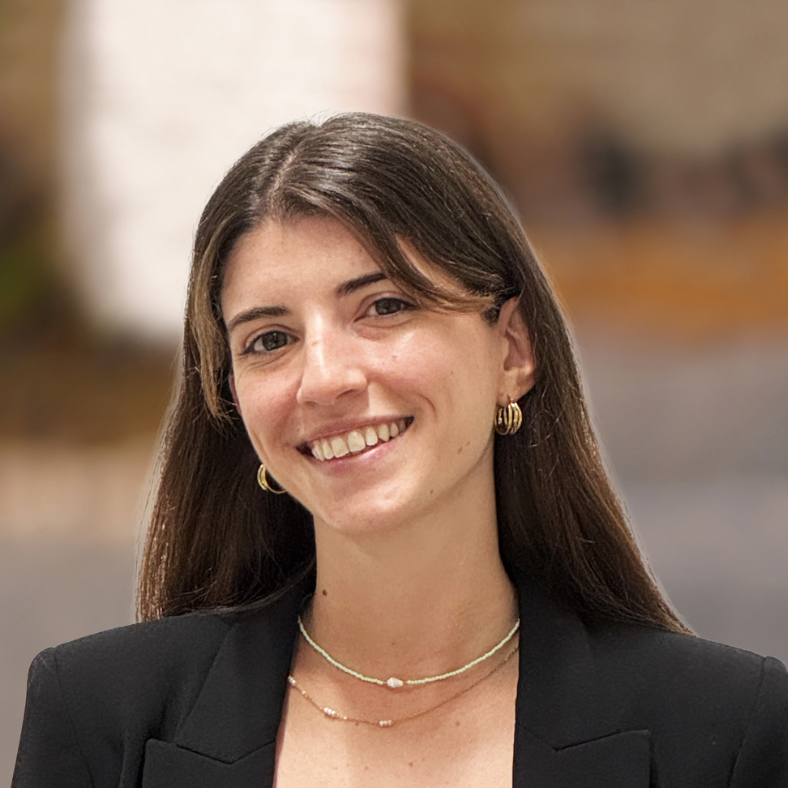
In partnership with POWERful Women, Acre continues the blog series uncovering the stories, barriers, and breakthroughs shaping female leadership across the energy sector. Our guest today is Eva Zimmermann, a Senior Associate at Aurora Energy Research. Eva is working at one of Europe's leading global providers of power market forecasting and analytics, where she leads a team focusing on pan-European battery storage and flexibility.
So, what does female representation in leadership look like in the energy sector and how did you progress?
I would say there are quite a few women in the middle management level. The gender bias does not seem as strong when looking at roles that are operationally important, but lack strategic decision making. When you go to senior management however - one level above - you don’t really see as many women being represented.
What I personally experienced is that if I wanted to progress (and take more responsibility) - I actively had to go to my manager and ask for it.
Once I did, I would get positive feedback and discussions would be had about my next move up the ladder, but many women are taught throughout their lives not to be as demanding or proactive in their career progression.
I always felt more comfortable and empowered underneath female leadership throughout my career. The meaningful impact strong female leaders have had on my progression is a big part of what’s motivated me to mentor junior female colleagues. I always encourage my mentees to speak up and make themselves heard when they’re considering their next move, or when they’ve got ideas about how to make a difference. For me, it’s always better to get a “no” than not try at all.
What changes should happen?
The full burden can’t always sit on women’s shoulders. Being more assertive about your progression pathway doesn’t make inequality disappear. Yes, there’s always something you can do personally to shape your career - but it’s very much on senior leadership to recognise the sensitivities around gender inequality, and to check for bias regularly and deliberately.
Leaders should be pushing everyone into new, more challenging work, rather than waiting for people to put themselves forward. It’s a more active, conscious style of people management: not just noticing the loudest voice in the room, but paying attention to performance, outputs, and the attitude of the people who are genuinely making a difference.
What advice would you give to a young woman starting in the energy sector?
Visibility of female leaders at the top is super important. If you see it, then you can envision it and work towards it. Networking from early on is equally important. My advice for when networking feels difficult, is reach out with a specific, well-researched reason to connect (a shared challenge, a piece of their work you genuinely rate, or a sharp question).
Staring a conversation is always easier in a topic area you feel knowledgeable and comfortable. To be remembered, follow up with something useful (an article, a perspective, an intro, or a quick summary of what you’re seeing in the market). Stay consistent and build a light-touch rhythm, keep delivering value, but make sure your work and thoughtful contributions are also visible and getting noticed.
Why is gender equality important in the energy transition?
The energy transition is quite complex. The challenge is equally distributing talent and using the smartest minds to tackle one of the worlds most important issues. When women are excluded from decision-making roles, we don’t just lose representation - we lose capability. Fewer perspectives and fewer ideas at exactly the moment we can’t afford it.
Too often, the conversation centres on how women should adapt to succeed in traditionally male environments. A better question is: what can organisations learn from female leadership styles to make the transition faster, smarter, and more resilient?
Acre is committed to driving meaningful change within the energy sector, focusing on appointing impact-driven leaders that can create a more inclusive and sustainable industry. Our interest in this topic stems from a belief that diversity in leadership is essential for better decision-making, stronger business outcomes, and achieving a fairer energy transition. Through this blog series, in partnership with POWERFul Women, we will continue to explore the challenges, successes, and strategies around female representation in energy leadership. Each interview and insight will shed light on what’s working, what needs to change, and how the sector can accelerate progress for the next generation of leaders. Please reach out if you are interested in learning more.
 Clean TechnologyThought Leadership
The Women Shaping the Future of Energy
With Eva Zimmerman, Senior Associate at Aurora Energy Research
What would the energy transition look like if women were equally represented at the top? It’s a question that matters. Not just for fairness - but for better decision-making and stronger outcomes.
In partnership with POWERful Women, Acre continues the blog series uncovering the stories, barriers, and breakthroughs shaping female leadership across the energy sector. Our guest today is Eva Zimmermann, a Senior Associate at Aurora Energy Research. Eva is working at one of Europe's leading global providers of power market forecasting and analytics, where she leads a team focusing on pan-European battery storage and flexibility.
So, what does female representation in leadership look like in the energy sector and how did you progress?
I would say there are quite a few women in the middle management level. The gender bias does not seem as strong when looking at roles that are operationally important, but lack strategic decision making. When you go to senior management however - one level above - you don’t really see as many women being represented.
What I personally experienced is that if I wanted to progress (and take more responsibility) - I actively had to go to my manager and ask for it.
Once I did, I would get positive feedback and discussions would be had about my next move up the ladder, but many women are taught throughout their lives not to be as demanding or proactive in their career progression.
I always felt more comfortable and empowered underneath female leadership throughout my career. The meaningful impact strong female leaders have had on my progression is a big part of what’s motivated me to mentor junior female colleagues. I always encourage my mentees to speak up and make themselves heard when they’re considering their next move, or when they’ve got ideas about how to make a difference. For me, it’s always better to get a “no” than not try at all.
What changes should happen?
The full burden can’t always sit on women’s shoulders. Being more assertive about your progression pathway doesn’t make inequality disappear. Yes, there’s always something you can do personally to shape your career - but it’s very much on senior leadership to recognise the sensitivities around gender inequality, and to check for bias regularly and deliberately.
Leaders should be pushing everyone into new, more challenging work, rather than waiting for people to put themselves forward. It’s a more active, conscious style of people management: not just noticing the loudest voice in the room, but paying attention to performance, outputs, and the attitude of the people who are genuinely making a difference.
What advice would you give to a young woman starting in the energy sector?
Visibility of female leaders at the top is super important. If you see it, then you can envision it and work towards it. Networking from early on is equally important. My advice for when networking feels difficult, is reach out with a specific, well-researched reason to connect (a shared challenge, a piece of their work you genuinely rate, or a sharp question).
Staring a conversation is always easier in a topic area you feel knowledgeable and comfortable. To be remembered, follow up with something useful (an article, a perspective, an intro, or a quick summary of what you’re seeing in the market). Stay consistent and build a light-touch rhythm, keep delivering value, but make sure your work and thoughtful contributions are also visible and getting noticed.
Why is gender equality important in the energy transition?
The energy transition is quite complex. The challenge is equally distributing talent and using the smartest minds to tackle one of the worlds most important issues. When women are excluded from decision-making roles, we don’t just lose representation - we lose capability. Fewer perspectives and fewer ideas at exactly the moment we can’t afford it.
Too often, the conversation centres on how women should adapt to succeed in traditionally male environments. A better question is: what can organisations learn from female leadership styles to make the transition faster, smarter, and more resilient?
Acre is committed to driving meaningful change within the energy sector, focusing on appointing impact-driven leaders that can create a more inclusive and sustainable industry. Our interest in this topic stems from a belief that diversity in leadership is essential for better decision-making, stronger business outcomes, and achieving a fairer energy transition. Through this blog series, in partnership with POWERFul Women, we will continue to explore the challenges, successes, and strategies around female representation in energy leadership. Each interview and insight will shed light on what’s working, what needs to change, and how the sector can accelerate progress for the next generation of leaders. Please reach out if you are interested in learning more.
 News
NewsAcre is strengthening its B Corp community with a special offer for B Corp Month
For almost 25 years, Acre has operated at the intersection of impact and commercial performance. We have never seen these as competing priorities, but as forces that drive the other forward.
We became a B Corp in 2022. While we were already deeply committed to social and environmental impact, certification brought measurement, accountability and a public commitment that gives our ambition substance.
The idea that social and environmental impact should sit alongside financial performance should not be radical. Yet for some, it still is. The B Corp movement has done more than any other initiative to bring this conversation into the mainstream, and I have enormous respect for the organisations that have chosen to meet that standard.
As we mark B Corp Month, we are offering our executive search, recruitment and advisory services to certified B Corps at a preferential rate throughout March.
Whether you are scaling, strengthening governance, building sustainability capability or hiring transformational leadership, we would be delighted to support you through our global network of offices in Europe, the Americas and Asia.
Our support extends beyond recruitment to include marketplace salary insights that enable sustainable growth, leadership assessments grounded in sustainability frameworks, and advisory guidance to ensure your organisation manages its risks and evolves in step with its ambition.
Please email me directly at ac@acre.com to explore how we can support your journey. Either I can help you personally, or I will connect you with someone in our global network who can.
Thank you to B Lab, and to every organisation choosing to lead in this way. We are proud to be part of this community.

![[object Object]](/assets/icon/lines-chart.svg)
Join our Candidate Network
Looking for your next opportunity in sustainability, ESG, or climate impact? Join our candidate network by submitting your CV/resume and relevant contact details so our team can get in touch when there's a role that may be suitable for you.

![[object Object]](/assets/icon/split-arrow-up-left-right.svg)
Explore your next career steps
Ready to take the next step in your career? Browse our latest sustainability and ESG roles across industries and regions. Whether you’re looking for executive leadership or a specialist position, your next opportunity starts here.
![[object Object]](/assets/icon/conversation-chat.svg)
Connect with a Consultant
Whether you’re looking to hire top sustainability talent or explore new career opportunities, our expert consultants are here to help. With our expert market insights and a global network, we’ll connect you with the right people to drive impact. Get in touch with our team today.